
Safer Spaces in the Workplace: 5 Key Takeaways
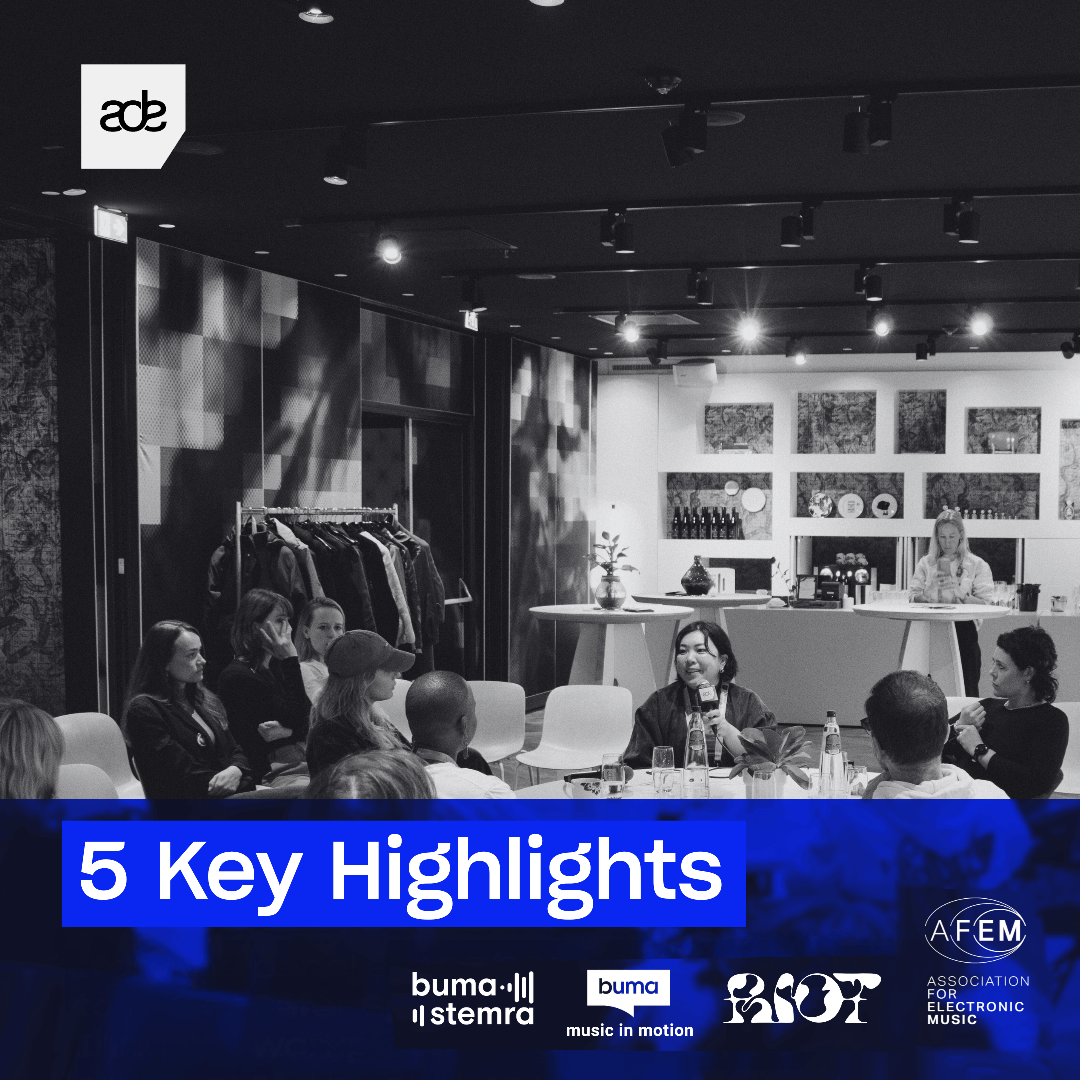
At Amsterdam Dance Event 2024, AFEM co-hosted a collaborative roundtable workshop, “10 Ideas to Foster Safer Spaces in the Music Industry Workplace,” alongside BumaStemra, Buma Music in Motion, and Collective RIOT.
Held on Friday 18 October, the session brought together industry leaders, artists, and advocates for a networking breakfast followed by a dynamic discussion moderated by Rosaline Yuen (AFEM). Panelists included Louisahhh (DJ/Consent Educator), Albert Gruber (Riverside Studios), Jackie Queens (BAE Electronica), Michele Hamelink (Sony Music Publishing), and Yas Mayou (Singer/Songwriter).
The goal was clear: to explore actionable strategies that individuals and organisations can adopt to foster safety, inclusivity, and psychological well-being in music industry workplaces. Here are five key takeaways from the conversation:
1. Defining a Safe Space
A safe space is where individuals can express themselves authentically within a framework of mutual care and respect. It’s not limited to marginalised groups—safety should be extended to all members of the workplace.
2. Barriers to Safer Spaces
Discomfort is not the same as danger. While change can be uncomfortable, punitive responses to mistakes often block progress. Creating space for dialogue and training in conflict resolution and negotiation is essential.
3. Culture of Consent and Openness
Fostering a workplace rooted in consent means prioritising open communication and supporting those affected by unsafe behaviours. Recognising individual power and establishing healthy boundaries builds trust and psychological safety.
4. Leadership Accountability
Leaders must model proactive behaviours when it comes to safety and well-being—not just respond when something goes wrong. This includes setting the tone for respectful collaboration and constructive feedback.
5. Clear Policies and Safe Reporting
Organisations need clearly defined consent policies and accessible reporting mechanisms that prioritise the healing and protection of those affected. Transparency and trust go hand-in-hand in building safer cultures.
This session is part of a broader ongoing effort by AFEM and partners to shift industry norms and promote long-term systemic change. Our thanks to all participants, and to Didre Siebers for capturing the event through photography.