
code of conduct against sexual harassment and gender discrimination
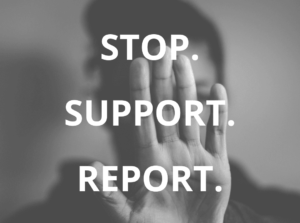
The Association for Electronic Music Code of Conduct, Against Sexual Harassment and Gender Discrimination (“Code of Conduct”) – Download Here
On behalf of AFEM Members in support of the electronic music industry and audience.
The purpose of this Code of Conduct is to prevent sexual harassment and gender/gender identity discrimination within the electronic music industry and AFEM Member companies by creating an environment where such behavior is not tolerated, through awareness, education, increased respect, protection and prevention.
AFEM is committed to supporting an industry where employers, employees, businesses and fans have a shared obligation to maintain workplaces and event spaces free from sexual harassment and gender/ gender identity discrimination.
This AFEM Code of Conduct begins the process of setting professional standards within the industry for our members and industry to adopt. Whilst this Code of Conduct is an advisory document for Members and adoption of the Code of Conduct is voluntary, AFEM expect all Members to take all reasonable steps to observe and adopt this Code of Conduct. This Code of Conduct is complimentary to any legislative obligations any AFEM employers have pursuant to local laws, therefore AFEM advise all AFEM Members who are employers to take independent legal advice in regard to any statutory obligations they have. This Code of Conduct is not intended to be in lieu of any legislative obligations any AFEM Members have in regard to the prevention of sexual harassment and/or gender/ gender identity discrimination.
AFEM asks that our Members will act responsibly when harassment or discrimination is observed by intervening (when you feel safe to do so) to stop such conduct whenever possible, support those who speak up, and report the situation to proper authorities within their organizations and local authorities: STOP. SUPPORT. REPORT.
In the first year of implementation, AFEM proposes that its Members confirm their support for the Code Of Conduct and take positive actions which would strive towards the goals outlined within. AFEM acknowledges that some aspects of the Code of Conduct may not be achievable immediately, but Members should seek to continuously improve following the Code of Conduct introduction.
AFEM would very much like to hear from you and your constituents regarding any questions, concerns or challenges in meeting these Codes of Conduct.
1. UNDERSTANDING SEXUAL HARASSMENT AND GENDER DISCRIMINATION: DEFINITIONS
- 1.1. Sexual Harassment is defined as unwelcome conduct of a sexual nature which makes a person feel demeaned, humiliated and/or intimidated. Examples of such discrimination are vast and subjective, it can however include situations where a person is asked to engage in sexual activity as a condition of that person’s employment, as well as situations which create an environment which is hostile, intimidating or humiliating for the recipient. Sexual harassment can involve one or more incidents and actions constituting harassment. Harassment may be physical, verbal and non-verbal. Examples of conduct or behavior which constitute sexual harassment include, but are not limited to:
- 1.1.1 Verbal conduct: Unwelcome comments on a worker’s appearance, age, sex or family life, etc. Sexual comments, stories and jokes, sexual advances, repeated and unwanted social invitations for dates or physical intimacy, insults based on the sex of the worker, gender based condescending or paternalistic remarks;
- 1.1.2. Physical conduct: Unwelcome physical contact including patting, pinching, stroking, kissing, hugging, fondling, or inappropriate touching, physical violence, including sexual assault, physical contact, e.g. touching, pinching, the use of job-related threats or rewards to solicit sexual favors; and
- 1.1.3. Non-verbal conduct: Display of sexually explicit or suggestive material, sexually-suggestive gestures, whistling, leering.
- 1.2 Quid Pro Quo Sexual Harassment
- 1.2.1. Quid pro quo sexual harassment occurs when your job or work assignments depend on submission to sexual or romantic requests from a co-worker, or you are denied work or given less favorable work assignments because of your unwillingness to engage in sexual, repetitive flirtatious behavior or romantic behavior.
- 1.3 Hostile Work Environment Sexual Harassment
- 1.3.1. A hostile work environment is characterized by unwelcome verbal, visual, or physical conduct of a sexual nature that is severe or pervasive and which is perceived as hostile, offensive or intimidating work environment. For example; sexual or sexually suggestive comments, jokes, insults, metaphors, pranks or gestures & Non-verbal assault can take the form of touching, leering, brushing against the body or displaying sexually suggestive objects, pictures, posters or cartoons.
- 1.4 Retaliation
- 1.4.1. Retaliation occurs when an employer takes an employment action against someone who makes a complaint of sexual harassment or gender discrimination. Retaliation can take many forms, including firing, denial of work assignments, loss of extra hours, offering less favorable work opportunities or exclusion.
- 1.4.2. Retaliation in any form is unacceptable. Retaliation against someone who assists another in making a complaint or who participates in an investigation into inappropriate behavior is also unacceptable.
- 1.4.3. Report retaliatory behavior in the same manner you would harassment.
- 1.5. Gender Discrimination
- 1.5.1. Gender discrimination is unequal or disadvantageous treatment of an individual or group of individuals based on gender, gender identity and/or sexual orientation. Sexual harassment is a form of unacceptable gender discrimination.
- 1.5.2. Gender (or sex) discrimination occurs when a person is subjected to different or unequal treatment (“discrimination”) in any number of situations, when that treatment is based on the person’s gender or sexual orientation.
- 1.5.3. Gender Discrimination refers to discrimination based on social behavior such as non-conformance of gender roles including sexual orientation and gender identity discrimination.
- 1.5.4. Examples of possible gender discrimination include when women and non-binary people are paid less for the same work as their male colleagues or are given fewer employment opportunities than their male counterparts, including with regards to talent booking.
2. PREVENTION: WHAT DOES THIS THIS MEAN FOR EMPLOYERS?
- 2.1 Employers are obligated to provide a workplace where harassment is not tolerated and to take action towards prevention and training implementations to ensure a sexual harassment free workplace
- 2.1.1. This Code of Conduct proposes an affirmative obligation on AFEM Members who are employers (“Employers”) to maintain a workplace where all forms of gender discrimination including sexual harassment and gender discrimination are not tolerated. The employer’s obligation includes a need to train supervisors in sexual harassment prevention and adherence to this Code of Conduct.
- 2.1.2. Employers, Members and participants of this Code of Conduct are responsible for achieving a future where women, men and non-binary people are equitably represented and compensated in their respective staffs and talent acquisitions.
- 2.1.2.1. AFEM’s goal is to see this achievement improve on a year on year basis industry wide via the AFEM Diversity Survey
- 2.1.2.2. The survey will be distributed, and researchers will participate in gathering of this data.
- 2.1.3. Employers, Members and participants in The Code of Conduct should make the Code of Conduct readily available to all employees and attendees.
- 2.1.4. Non-Traditional Worksites
- 2.1.4.1. The employer’s obligation to not tolerate harassment in work environments is not limited to a traditional worksite. The obligation extends to other locations where an employee is required to be in the course of the employee’s employment. That might include, for example, a meeting, audition, party, conference or networking event.
- 2.1.5. Employees of Vendors and Third Parties
- 2.1.5.1. The Employer’s obligation is not limited to influencing the behavior of its direct employees. The employer has an obligation to address harassing behavior of or from vendors and other affiliated companies and additionally, all attendees or guests at any event. Please consult your local laws to this effect.
- 2.1.6. Reporting Mechanism
- 2.1.6.1. The Employer is required to maintain a mechanism through which employees can safely and privately report instances of sexual harassment and gender discrimination which would be free from interference or harassment and to communicate that mechanism to employees and event attendees. In the entertainment industry, where the “employer” may be a short-lived company that ceases to exist after a project is complete, it can be less obvious who to contact. Employers should consider having reporting methods which are sensitive to the situation and therefore would not prevent or prohibit reporting of harassment or discrimination. Similarly, such mechanisms may need features which allow a report to be made to a number of people, to avoid a situation where the alleged perpetrator is the person responsible for receiving such reports.
- 2.1.7. Non-Retaliation
- 2.1.7.1. The Employer may not retaliate against the employee or event attendee for reporting instances of sexual harassment or gender discrimination. Employers should endeavor to protect the confidentiality of anyone who complains about sexual harassment or gender discrimination to the greatest possible extent and ensure that the individual is not subject to further retaliation or harassment.
3. WHAT HAPPENS WHEN AN EMPLOYER FAILS TO KEEP AN ENVIRONMENT FREE FROM HARASSMENT?
- 3.1 Employers, Members and all participants who fail to maintain a harassment-free workplace may face legal liability in court, state or local agencies depending on the laws in which the actions of harassment have taken place.
- 3.2 Depending on the degree of violation, actions by an Employer or legal authorities may include:
-
- Verbal warning
- Written warning
- Temporary or permanent ban from events/spaces/boards
- Suspension
- Removal of responsibilities
- Termination of employment by the employer
- Reporting to the authorities
4. WHAT DOES THIS MEAN FOR AFEM MEMBERS?
- 4.1 Harassment Prohibited
- 4.1.1. When acting in the capacity of an Employer, talent, promotor or supervisor, Members are subject to the same rules as any Employer. Beyond this, we all share the expectation that AFEM Members, and all professionals, will refrain from engaging in harassing conduct and support AFEM efforts to eliminate this scourge from the workplace.
- 4.2 Accountability
- 4.2.1. Employers and businesses are solely responsible for not tolerating harassment and/or discrimination by any of their employees and attendees, including those who are our Members. AFEM cannot intervene with private companies and/or individuals who fail in their responsibilities in regard to harassment and discrimination, therefore rely on its Members to assist AFEM by implementing this Code of Conduct into the policies and procedures in their individual workplaces. Furthermore, AFEM accept no liability to its Members or any other third parties in regard to their implementation (or lack thereof) of this Code of Conduct, which is advisory in nature only.
- 4.3 Reporting Harassment
- 4.3.1. Members and non-members alike are encouraged to report instances of sexual harassment to the following confidential support service for anyone affected by sexual harassment within the Electronic Music Industry. Health Assured will be providing a service to ensure confidential expert counselling. A safe and supportive environment for anyone who has been affected and needs guidance and support. Call 0800 030 5182, (Outside the UK: +44 800 030 5182) where trained experts will listen and support.
- 4.4 Intervening/Witnessing Harassment — STOP. SUPPORT. REPORT.
- 4.4.1. Whether during work or at work-related activities, it is the collective responsibility of our Members to act as active bystanders and supportive colleagues when we witness or learn of acts of sexual harassment, gender discrimination or retaliation. To end the pervasive culture of inaction and silence, we must not look the other way. We must intervene to STOP the conduct when we can, SUPPORT those who speak up, and REPORT the conduct.
- 4.5 WHAT DOES THIS MEAN FOR ARTISTS & THEIR REPRESENTATIVES?
- 4.5.1. All of the above conduct points for Employers, Employees and AFEM members apply to the artist community. Artists and their representatives (not limited to managers, agents, tour managers or production managers) are expected to lead by example. The workplace, as defined by the Code of Conduct, includes venues, clubs, tour buses, backstage, green rooms, after parties and on stage; in every environment of electronic music, sexual harassment and gender discrimination are unacceptable. There is no grey area where such behaviour is deemed acceptable. Artists and their representatives must address any known instances of sexual harassment by their clients or members of their team and take necessary action.We must intervene to STOP the conduct when we can, SUPPORT those who speak up, and REPORT the conduct in accordance with the wishes of the victim / survivor.
- 4.6 QUESTIONS?
- 4.6.1. Contact the HR department of your company of employment, or the helpline as given above. Ask your Employer for anti-sexual harassment training on a company wide scale. Ask for more information if you are not clear on the code of conduct of your company of employment and ask any questions you might have.
- 4.7 WE ASK FOR YOUR SUPPORT
- Please endorse, adopt and share this Code of Conduct if you and your business are in support of the AFEM’s objective of preventing sexual harassment and discrimination within the electronic music industry and AFEM Membership through awareness, education and ultimately by creating an environment where such behavior is not tolerated, through increased respect, protection and prevention.