
Members Voices: Anya Bennett – The Show Must Go On, Until It Can’t
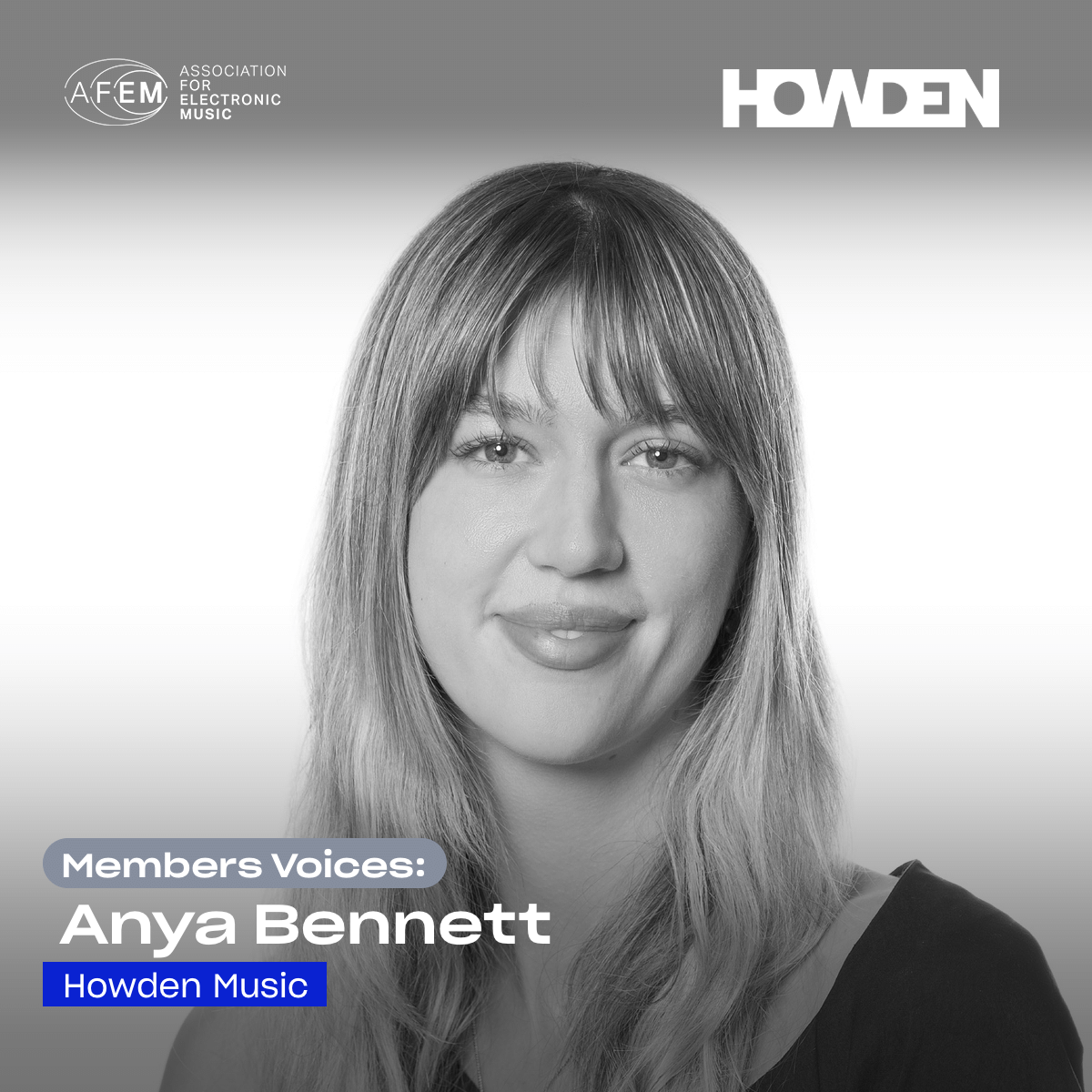
By Anya Bennett, Broker Support Account Handler at Howden Music
- Understanding “perils”
- Not every performance carries the same risk
- Our DJ specific policy wording
- Weather risk is changing the conversation
- Starting with the right question
- Continuing the conversation
When people think about cancellation insurance, it’s often after something has gone awry. The reality is that understanding how cover works before you need it and putting the right things in place can help protect artists, managers and promoters against risks outside of their control.
Cancellation insurance is often viewed as reserved for major tours and traditional live acts. As electronic music has evolved, insurers have begun to recognise that DJs and electronic artists present different risks.
In this article, I’ll discuss what you might want to know about cancellation and non-appearance cover, some of the common perils affecting live events and why specialist DJ solutions have emerged within electronic music.
UNDERSTANDING “PERILS”
A term you’ll often hear in insurance is peril, which simply put means the cause of a loss.
For cancellation and non-appearance insurance, common perils can include illness, injury, travel disruption, adverse weather and venue-related issues, depending on the policy wording. Additional extensions such as terrorism and political violence can also be considered where appropriate.
Ultimately, the question is not whether these risks exist, but what the impact would be if they stopped a show from happening.
NOT EVERY PERFORMANCE CARRIES THE SAME RISK
A point that often gets overlooked is that electronic music isn’t a single category.
A DJ playing an international club show presents a different set of considerations to a live band. A festival headline appearance creates a very different exposure to a weekly club residency, just as a developing artist newly touring may have different priorities to an established headliner.
Over the past few years, we’ve worked with insurers to better recognise the way electronic artists perform. The result is specialist DJ cancellation wording that acknowledges DJs often present a different risk profile to traditional live acts.
OUR DJ SPECIFIC POLICY WORDING
Howden has worked with insurers to develop specialist cancellation wording specifically for DJs at a lower rate, including solo performers and duos. The approach recognises that many DJ performances are not dependent on vocalists or multiple musicians in the same way as traditional live acts, allowing insurers to assess the risk differently.
DJs often present a different risk profile to a band, and our specialist wording is designed to reflect that. This means artists aren’t necessarily being priced as if they were a traditional live act, which can make cancellation cover more accessible for DJs and electronic artists.
WEATHER RISK IS CHANGING THE CONVERSATION
One area requiring much more attention than it did a few years ago is adverse weather.
Whether it’s extreme heat, flooding, storms or unsafe site conditions, weather-related disruption is becoming a more regular consideration for organisers, promoters and artists alike. For outdoor events especially, the impact of extreme weather is becoming increasingly difficult to ignore.
A key point to understand is that weather can only be insured while it remains an unforeseen risk.
For adverse weather cover to be considered, policies generally need to be arranged at least 10 days before the event date. Once a weather event becomes known, forecast or reasonably foreseeable, it is no longer considered an insurable risk.
It’s worth clarifying that this doesn’t mean outdoor shows taking place within those first 10 days are completely uninsured. Cancellation and non-appearance cover can still respond to other insured perils, such as illness, injury or unavoidable travel delay, subject to policy terms. The restriction applies specifically to adverse weather cover.
STARTING WITH THE RIGHT QUESTION
One of the things I’ve learned is that the conversation shouldn’t begin with a policy. It should begin with understanding what somebody is trying to protect. For some artists, a missed booking would be an inconvenience. For others, it could mean losing a significant portion of projected income or missing a career-defining opportunity.
The purpose of cancellation and non-appearance insurance is to help put the insured back in the financial position they would have been in had the show gone ahead, subject to the policy terms and conditions. For example, if an artist is unable to perform due to an insured illness or injury and consequently loses their guaranteed fee, the policy can respond to that loss.
The most valuable conversations are usually the ones where we spend less time talking about insurance products and more time understanding how an artist’s business operates. Sometimes that leads to insurance. Sometimes it doesn’t. Either way, a better understanding of the risk usually leads to a better decision.
CONTINUING THE CONVERSATION
One of the reasons I wanted to contribute this piece is that insurance can often feel difficult to navigate, particularly when information isn’t communicated in a way that’s relevant to the realities of electronic music.
There are plenty of situations where artists, managers and agents simply want to check an idea, understand a policy requirement or discuss whether a particular risk is worth considering.
Part of Howden Music’s role within the industry is education as much as insurance. With that in mind, I’d be delighted to hear from any AFEM members who have questions about cancellation risks, touring, equipment covers or music insurance generally.
Anya Bennett
Howden Music